
Are Modern Cars Designed for Obsolescence with Cheap Components Like the Chevy Malibu's Timing Chain?
- Alan
- Dec 26, 2025
- 3 min read
Cars today often feel less durable than those from previous decades. A common complaint among drivers is that certain parts, such as the timing chain in the Chevy Malibu, fail well before the car reaches 120,000 miles. This raises a question: are modern vehicles built with components meant to wear out quickly, pushing owners toward costly repairs or replacements? Comparing today’s cars to older models like the GM 3800 engine, known for its reliability, reveals a shift in automotive design and manufacturing priorities.

How Timing Chains Work and Why They Matter
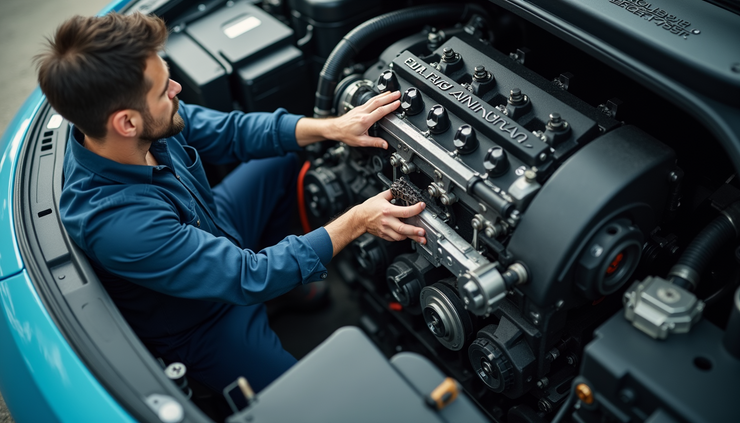
The timing chain is a crucial part of an engine. It synchronizes the rotation of the crankshaft and camshaft, ensuring valves open and close at the right times during the combustion cycle. If the timing chain fails, the engine can suffer severe damage, often requiring expensive repairs or even a full engine replacement.
Older engines, like the GM 3800 V6, used timing chains designed to last the life of the vehicle, often exceeding 200,000 miles without issues. These chains were made from high-quality materials and engineered with durability in mind. In contrast, some modern cars, including certain Chevy Malibu models, have timing chains that may start showing problems around 100,000 to 120,000 miles.
Why Are Some Modern Timing Chains Less Durable?
Several factors contribute to the shorter lifespan of timing chains in some newer cars:
Cost-cutting in manufacturing: To keep vehicle prices competitive, manufacturers may use lower-grade materials or simpler designs that reduce production costs but also durability.
Engine design changes: Modern engines often prioritize fuel efficiency and emissions over longevity. This can lead to tighter tolerances and higher stress on components like timing chains.
Maintenance intervals: Some newer cars have longer recommended oil change intervals, but if oil quality or levels drop, it can accelerate wear on timing chains and related parts.
Complexity and packaging: Modern engines are often more compact, leaving less room for robust components and making repairs more difficult and expensive.
Comparing the Chevy Malibu Timing Chain to the GM 3800 Engine
The GM 3800 engine, produced from the 1980s through the early 2000s, earned a reputation for reliability. Its timing chain was known to last well beyond 200,000 miles with proper maintenance. This engine used a durable chain and tensioner system designed to withstand years of use.
In contrast, many Chevy Malibu models from the 2010s use timing chains that have been reported to fail or require replacement around 100,000 to 120,000 miles. Owners often face costly repairs because replacing a timing chain in a modern engine can be labor-intensive.
This difference reflects a broader trend in the auto industry where some components are designed with a limited lifespan, sometimes called planned obsolescence. While not all manufacturers or models follow this pattern, it is a concern for many car buyers.

The Impact on Car Owners and the Environment
When parts like timing chains fail prematurely, car owners face unexpected repair bills. This can lead to:
Higher ownership costs: Frequent repairs reduce the overall value and affordability of a vehicle.
Shorter vehicle lifespan: Owners may choose to replace cars sooner rather than invest in costly repairs.
Environmental concerns: Discarding cars earlier increases waste and resource consumption, contributing to environmental strain.
Some argue that designing cars with disposable parts benefits manufacturers by increasing sales and service revenue. Others point out that stricter regulations and consumer demand for reliability have pushed some companies to improve component quality.
What Can Car Buyers Do?
If you want a vehicle that lasts longer and avoids premature failures like timing chain issues, consider these tips:
Research engine reliability: Look for models with a proven track record of durable components. Engines like the GM 3800 are examples of long-lasting designs.
Check maintenance history: Proper oil changes and timely servicing can extend the life of timing chains and other parts.
Consider extended warranties: These can help cover costly repairs if a timing chain or other major component fails.
Ask about parts quality: Some manufacturers offer upgraded or heavy-duty timing chains as options or aftermarket solutions.
Read owner forums and reviews: Real-world experiences can reveal common issues and how well they are addressed.
Are All Modern Cars Designed This Way?
Not every modern car uses cheap or disposable parts. Some manufacturers prioritize durability and build vehicles to last. Luxury brands and certain Japanese automakers often use higher-quality components, resulting in fewer premature failures.
Still, the trend toward cost-saving and efficiency sometimes means compromises in part longevity. Buyers should weigh factors like price, reliability, and maintenance costs when choosing a car.


Comments