
Comparing the Mid 90s Honda Civic to the 2026 Model: Performance, Maintenance, and Durability Insights
- Alan
- 2 hours ago
- 4 min read
The Honda Civic has long been a favorite among drivers who value reliability, efficiency, and a touch of sportiness. Comparing the mid-90s Honda Civic to the 2026 model reveals how much has changed in design, engineering, and user experience. The older Civics offered a sportier suspension and simpler engines that were easier to maintain and modify. Today’s Civics focus more on comfort, cost-efficiency, and longevity of materials, but some enthusiasts feel they lack the raw, adaptable character of their predecessors. This post explores these differences in detail, helping you understand what each generation brings to the table.
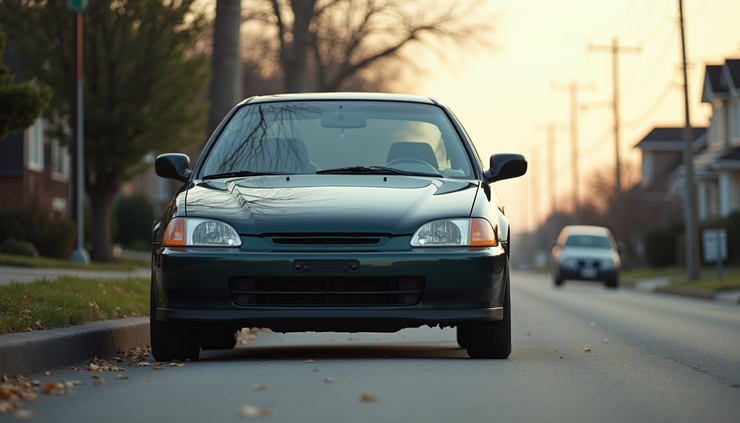
Suspension and Ride Quality Differences
The suspension system is one of the most noticeable changes between the mid-90s Honda Civic and the 2026 model. Back in the 90s, Civics were equipped with sportier suspensions designed to offer sharper handling and a more connected driving experience. This setup included firmer springs and more responsive shock absorbers, which made the car feel agile and fun on twisty roads.
In contrast, the 2026 Civic uses a more common suspension setup aimed at comfort and cost savings. The springs are softer, and the dampers prioritize smoothing out bumps rather than aggressive cornering. This change reflects a shift in consumer preferences toward a more relaxed ride and lower production costs. The materials used in the suspension components today are also designed to last longer and resist wear better, reducing maintenance frequency.
Key points about suspension:
Mid-90s Civic had sportier, firmer suspension for better handling
2026 Civic focuses on comfort with softer suspension tuning
Modern suspension parts use more durable materials for longevity
Older suspension setups required more frequent maintenance but rewarded drivers with a more engaging feel
Engine Performance and Maintenance
The engines in mid-90s Civics were less powerful compared to the 2026 models, but they had several advantages that made them popular among enthusiasts and everyday drivers alike. These engines were simpler in design, making them easier to maintain and repair. Mechanics and owners could perform many repairs without specialized tools or expensive parts.
Another important feature of the older Civics was the ease of engine swaps. The engine bays were designed to accommodate different generations of Honda engines, allowing owners to upgrade or customize their vehicles with relative ease. This flexibility made the mid-90s Civic a favorite for tuners and hobbyists who wanted to boost performance without buying a new car.
The 2026 Civic engines deliver more power and better fuel efficiency thanks to advances in technology such as turbocharging and direct injection. However, these modern engines are more complex, with electronic controls and emissions systems that require specialized knowledge and tools for maintenance. While they are built to last longer and meet stricter environmental standards, repairs can be more expensive and less DIY-friendly.
Engine comparison highlights:
Mid-90s engines were less powerful but simpler and easier to maintain
Engine swaps were common and straightforward in older Civics
2026 engines offer higher power output and better fuel economy
Modern engines are more complex and costly to repair but built for durability

Materials and Durability
One of the biggest improvements in the 2026 Honda Civic is the use of materials that last longer and resist wear better than those used in the mid-90s models. Honda has invested in corrosion-resistant metals, improved plastics, and better interior fabrics that maintain their appearance and function over time.
The mid-90s Civics, while durable, often showed signs of aging sooner. Rust was a common issue, especially in regions with harsh winters or salty roads. Interior materials could wear out or fade with heavy use. Despite this, many of these older Civics remain on the road today, a testament to their solid build quality.
The newer Civics benefit from advanced manufacturing techniques and materials science, which help reduce the need for frequent repairs and replacements. This means owners can expect fewer issues related to body corrosion, interior wear, and component failure over the life of the car.
Material and durability points:
Mid-90s Civics used materials prone to rust and wear over time
2026 Civics use corrosion-resistant metals and durable interior fabrics
Modern manufacturing improves overall longevity and reduces maintenance
Older Civics require more upkeep but have proven long-term reliability
Practical Considerations for Owners and Enthusiasts
Choosing between a mid-90s Honda Civic and a 2026 model depends on what you value most as a driver or car owner. If you want a car that is easy to work on, offers a sportier driving experience, and allows for engine customization, the older Civic stands out. It’s a great choice for hobbyists who enjoy hands-on maintenance and tuning.
On the other hand, if you prefer a car that requires less frequent maintenance, offers more power and modern features, and uses materials designed to last, the 2026 Civic is a better fit. It suits drivers who want a reliable daily vehicle with improved comfort and efficiency.
Consider these factors when deciding:
Maintenance skills and willingness to DIY
Desire for sporty handling vs. comfort
Interest in engine swaps or modifications
Budget for repairs and upgrades
Need for modern safety and technology features

Final Thoughts on the Honda Civic Evolution
The mid-90s Honda Civic and the 2026 model represent two different approaches to car design and ownership. The older Civic appeals to those who appreciate simplicity, sportiness, and customization potential. The newer Civic focuses on comfort, efficiency, and long-term durability with advanced technology.
Both generations have earned their place in automotive history by meeting the needs of their time. Understanding these differences helps drivers choose the right Civic for their lifestyle and preferences. Whether you value the hands-on experience of the past or the convenience of modern engineering, the Honda Civic continues to deliver dependable transportation with a unique character.


Comments