
Essential Home Mechanic Jobs: DIY Car Maintenance You Can Tackle Today
- Alan
- 6 days ago
- 3 min read
Maintaining your car doesn’t always require a trip to the mechanic. Many basic repairs and routine maintenance tasks can be done at home with a few tools and some know-how. Taking on these jobs yourself saves money, builds confidence, and helps you understand your vehicle better. This guide covers essential home mechanic jobs you can handle safely and effectively, from brake replacements to fluid changes.

Brake and Rotor Replacement
One of the most common and manageable repairs is replacing brake pads and rotors. Most cars allow you to change both front and rear brakes without specialized equipment. Here’s what you need to know:
Tools required: Jack and jack stands, lug wrench, socket set, C-clamp or brake caliper tool, and a torque wrench.
Steps overview: Lift the car, remove the wheel, unbolt the caliper, remove old pads and rotors, install new parts, and reassemble.
Safety tips: Always work on a flat surface, use jack stands, and never rely solely on a jack. Check your vehicle’s manual for torque specifications.
Replacing brakes yourself can cost a fraction of what a shop charges. Brake pads typically cost $20–$50 per set, and rotors range from $30–$70 each, depending on the vehicle.
Oil and Oil Filter Changes
Changing your own oil is one of the simplest maintenance tasks. It keeps your engine running smoothly and extends its life.
Tools and materials: Oil filter wrench, drain pan, funnel, new oil filter, and the correct grade and amount of oil.
Process: Warm up the engine, drain old oil, replace the oil filter, refill with new oil, and check levels.
Frequency: Most cars need oil changes every 3,000 to 7,500 miles, depending on oil type and driving conditions.
Doing oil changes at home can save $30–$50 per service and gives you control over the quality of oil used.
Power Steering Pump and Hose Repairs
Power steering issues often stem from leaks or worn hoses. Replacing the power steering pump or hoses is doable for many car owners.
What to check: Inspect hoses for cracks or leaks, listen for whining noises indicating pump wear.
Replacement tips: Drain the power steering fluid, remove the faulty pump or hose, install new parts, and refill fluid.
Tools needed: Wrenches, drain pan, and possibly a pulley puller for pump replacement.
Fixing power steering problems yourself can prevent costly towing and steering failures.
Transmission Fluid Changes
Transmission fluid keeps your gears shifting smoothly. Some vehicles allow easy fluid changes at home.
Check your manual: Not all cars have a transmission drain plug; some require professional service.
Tools: Drain pan, socket set, funnel, and the correct transmission fluid.
Steps: Warm up the car, drain old fluid, replace the drain plug, refill with new fluid, and check levels.
Regular transmission fluid changes can extend transmission life and improve performance.
Rear and Front Differential Maintenance
Vehicles with four-wheel or all-wheel drive have differentials that require periodic fluid changes.
What to do: Drain old differential fluid, clean the drain plug, refill with manufacturer-recommended fluid.
Tools: Socket set, drain pan, fluid pump or squeeze bottle.
Frequency: Usually every 30,000 to 60,000 miles, depending on driving conditions.
Maintaining differentials prevents costly repairs and keeps your drivetrain in good shape.
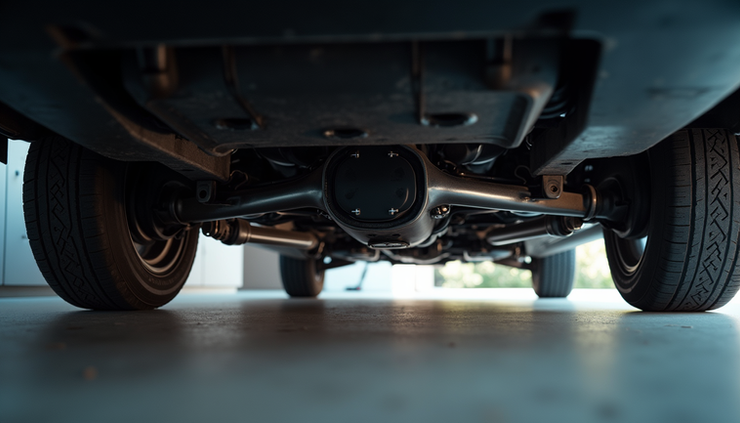
Suspension Work
Suspension repairs can be tricky but manageable with patience and the right tools.
Common tasks: Replacing shocks, struts, and bushings.
Challenges: Suspension parts can be heavy and under tension; use spring compressors carefully.
Tools: Jack and stands, socket set, spring compressors, and sometimes specialty tools.
If you’re new to suspension work, start with simpler tasks like replacing shocks before moving to more complex repairs.
Tips for Successful DIY Car Maintenance
Use quality parts: Cheap parts can fail quickly and cause more damage.
Follow your vehicle’s manual: It provides specific instructions and torque specs.
Keep your workspace organized: A clean, well-lit area reduces mistakes.
Take safety seriously: Wear gloves and eye protection, and never work under a car supported only by a jack.
Watch tutorials: Videos can clarify tricky steps and show proper techniques.
Tackling these home mechanic jobs builds your skills and saves money. Start with simple tasks like oil changes and brake replacements, then progress to more complex repairs as you gain confidence.
Maintaining your car at home keeps it running longer and helps you avoid expensive shop visits. With the right tools and knowledge, you can handle many repairs yourself and enjoy the satisfaction of doing it right.


Comments