
The Importance of a Power Steering Cooler: Benefits, Origins, and Longevity for Your Vehicle
- Alan
- Mar 26
- 4 min read
Power steering systems make driving easier by reducing the effort needed to turn the wheel. But like any mechanical system, they generate heat during operation. This heat can damage the power steering fluid and pump over time. That’s where a power steering cooler comes in. It helps keep the fluid temperature down, protecting your vehicle’s steering system and extending its life. This post explores what a power steering cooler does, where it came from, its benefits and drawbacks, and how it can help your car or truck last longer.

What Is a Power Steering Cooler and Why Do You Need One?
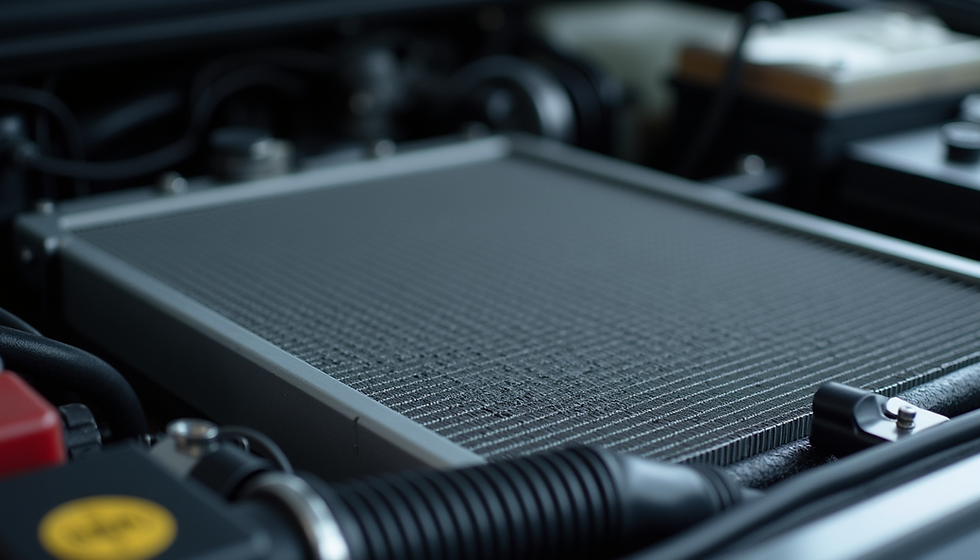
A power steering cooler is a small radiator-like device designed to lower the temperature of the power steering fluid. It works by circulating the fluid through thin metal fins that dissipate heat into the air. This cooling process prevents the fluid from overheating during heavy use or in hot weather.
Power steering fluid heats up because the pump creates pressure to assist steering. When the fluid gets too hot, it loses its lubricating properties and can break down. This leads to increased wear on the power steering pump and other components, causing premature failure.
You might need a power steering cooler if you:
Tow heavy loads or haul trailers regularly
Drive in hot climates or stop-and-go traffic
Use your vehicle for off-roading or racing
Notice your steering feels stiff or noisy after long drives
In these situations, the power steering system works harder and generates more heat. A cooler helps maintain optimal fluid temperature, improving steering performance and protecting parts.
The Origins of the Power Steering Cooler
Power steering coolers have roots in the racing world. Race cars push their steering systems to the limit, generating extreme heat that can cause fluid failure and pump damage. To prevent this, engineers added coolers to keep fluid temperatures in check during intense driving conditions.
Over time, this technology made its way into trucks, SUVs, and performance vehicles. Today, many manufacturers offer power steering coolers as factory options or aftermarket upgrades. They are especially common on heavy-duty trucks and off-road vehicles where steering demands are high.
How a Power Steering Cooler Helps Your Vehicle Last Longer
Heat is one of the main enemies of power steering fluid and pumps. When fluid overheats, it breaks down chemically and loses its ability to lubricate and protect the system. This causes:
Increased friction inside the pump
Faster wear on seals and hoses
Formation of sludge and deposits
Reduced steering responsiveness
A power steering cooler reduces fluid temperature by 20 to 40 degrees Fahrenheit in many cases. This cooler fluid stays stable longer, preserving its lubricating qualities. As a result:
The power steering pump runs smoother and lasts longer
Seals and hoses maintain their integrity, preventing leaks
Fluid changes can be spaced out, saving maintenance costs
Steering remains consistent and responsive even under heavy loads
For example, a truck used for towing in hot weather without a cooler may need power steering pump replacement every 50,000 miles. Adding a cooler can extend that interval to 100,000 miles or more.
Pros and Cons of Installing a Power Steering Cooler
Before adding a power steering cooler, it’s good to weigh the benefits and drawbacks.
Pros
Improves fluid and pump longevity
Reduces risk of overheating and steering failure
Enhances steering performance under heavy loads
Relatively low cost and easy to install
Can prevent costly repairs down the road
Cons
Adds a small amount of weight and complexity
Requires space in the engine bay for mounting
May need additional fittings or hoses
Not always necessary for light-duty or casual drivers
For most drivers who tow, haul, or drive aggressively, the benefits outweigh the minor downsides. For everyday commuting in mild conditions, a cooler might not be essential.

Choosing the Right Power Steering Cooler for Your Vehicle
If you decide a power steering cooler is right for you, consider these factors:
Compatibility: Make sure the cooler fits your vehicle’s make and model. Some coolers are universal, but others are designed for specific trucks or cars.
Size and capacity: Larger coolers dissipate more heat but require more space. Match the cooler size to your vehicle’s power steering system and typical use.
Material: Aluminum coolers are common due to their light weight and good heat transfer. Stainless steel options resist corrosion but weigh more.
Installation: Some coolers come with mounting brackets and fittings for easy installation. Professional installation ensures proper fluid routing and leak prevention.
Many aftermarket brands offer kits with everything needed for a straightforward upgrade. Checking reviews and consulting with a trusted mechanic can help you pick the best option.
Maintaining Your Power Steering System with a Cooler
Adding a cooler helps protect your power steering system, but regular maintenance remains important. Follow these tips to keep everything running smoothly:
Check power steering fluid levels monthly
Use the manufacturer-recommended fluid type
Inspect hoses and connections for leaks or cracks
Flush and replace fluid every 50,000 miles or as advised
Clean the cooler fins periodically to ensure airflow
Proper maintenance combined with a cooler can significantly extend the life of your power steering pump and fluid.

Final Thoughts on Power Steering Coolers
A power steering cooler is a practical upgrade for vehicles that face heavy steering demands or operate in hot conditions. It helps keep fluid temperatures down, protecting the pump and fluid from heat damage. This leads to longer component life, better steering feel, and fewer repairs.
While not essential for every driver, those who tow, haul, or drive aggressively will see clear benefits. The technology comes from racing origins but has proven useful for everyday trucks and SUVs. Choosing the right cooler and maintaining your system ensures you get the most value from this simple but effective addition.


Comments