
Understanding the Key Differences Between Cheap and Expensive Brake Pads and Their Impact on Performance
- Alan
- Jan 22
- 3 min read
When it comes to vehicle safety, brake pads play a crucial role. Yet, many drivers face a common dilemma: should they opt for cheap brake pads or invest in more expensive ones? The difference between these options goes beyond price tags. It involves the materials used, how they handle heat and stress, and ultimately, how they affect your braking performance and safety. This post explores these differences in detail to help you make an informed decision.
The Basics of Brake Pads and Their Materials
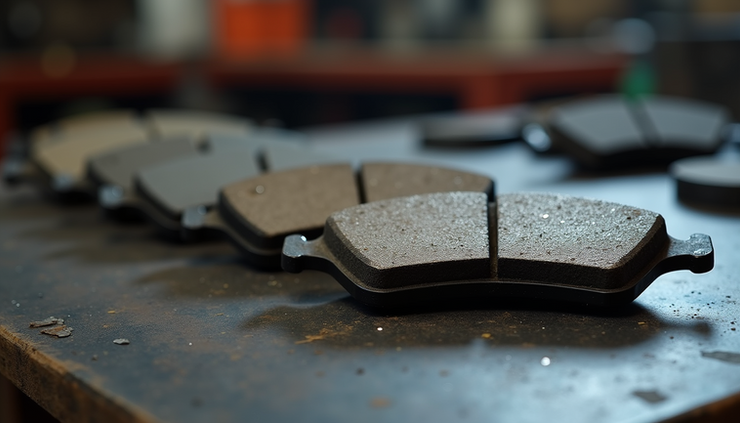
Brake pads are components that press against the brake rotors to slow down or stop a vehicle. The friction generated between the pad and rotor converts kinetic energy into heat, slowing the car. The material composition of brake pads directly influences their performance, durability, noise, and heat resistance.
Common Brake Pad Materials
Organic (Non-Asbestos Organic - NAO)
Made from fibers, fillers, and binders, organic pads are softer and quieter but wear faster and produce more dust. They are usually found in cheaper brake pads.
Semi-Metallic
These pads contain metal fibers mixed with organic materials. They offer better heat resistance and durability but can be noisier and cause more rotor wear.
Ceramic
Made from ceramic fibers and nonferrous materials, ceramic pads provide excellent braking performance, low noise, and minimal dust. They handle heat well but come at a higher cost.
Low-Metallic NAO
Similar to organic but with small amounts of metal to improve heat transfer and braking power. They balance performance and noise but can produce more dust.
Each material type affects how the brake pad performs under different driving conditions, especially when it comes to heat and stress.
How Brake Pad Materials Affect Braking Performance
The material of a brake pad determines several key performance factors:
Heat Resistance and Brake Fade
Brake fade happens when the braking system overheats, causing a loss of stopping power. This is critical during heavy braking or driving downhill.
Cheap Organic Pads
These tend to absorb heat poorly and can start to fade at lower temperatures, around 300°F (150°C). This means their braking power decreases quickly under stress.
Semi-Metallic Pads
They handle heat better, tolerating up to 600°F (315°C) before fading. This makes them suitable for more demanding driving but can cause more rotor wear.
Ceramic Pads
Ceramic pads resist heat up to 1000°F (540°C) or more, maintaining consistent braking performance even under extreme conditions. This reduces fade and improves safety.
Durability and Wear
Cheap brake pads often wear out faster due to softer materials. They may last 20,000 to 30,000 miles depending on driving habits. Expensive pads, especially ceramic or high-quality semi-metallic, can last 50,000 miles or more.
Noise and Dust
Organic pads are quieter but produce more brake dust, which can dirty wheels. Semi-metallic pads are noisier and produce moderate dust. Ceramic pads are quiet and produce very little dust, keeping wheels cleaner.
The Impact of Heat and Stress on Brake Pads
Braking generates intense heat and mechanical stress. How well brake pads handle these factors affects safety and maintenance costs.
Heat Generation During Braking
Every time you brake, friction creates heat. The amount depends on vehicle weight, speed, and braking intensity. For example, a heavy SUV braking hard from highway speeds can generate temperatures exceeding 800°F (425°C).
Stress and Material Breakdown
Repeated heating and cooling cycles cause brake pads to degrade. Cheap pads may crack, glaze, or crumble under stress, reducing effectiveness. Expensive pads use advanced materials and manufacturing processes to resist these effects.
Real-World Example
A study comparing brake pads on a mid-sized sedan showed that cheap organic pads lost 30% of their braking power after repeated hard stops, while ceramic pads maintained over 90% effectiveness under the same conditions.

Why Expensive Brake Pads Cost More
The higher price of premium brake pads reflects:
Material Quality
Better raw materials like ceramic fibers or high-grade metals.
Manufacturing Precision
Advanced processes ensure consistent thickness, density, and bonding.
Performance Testing
Rigorous testing for heat resistance, wear, noise, and dust.
Longevity
Longer lifespan reduces replacement frequency.
Safety
Improved stopping power and fade resistance enhance driver confidence.
Choosing the Right Brake Pads for Your Needs
Not every driver needs the most expensive brake pads, but understanding your driving style and conditions helps.
Considerations
Daily Commuting
Moderate driving with occasional stops may work well with mid-range semi-metallic pads.
Performance Driving or Towing
Heavy braking and high heat require ceramic or high-quality semi-metallic pads.
Budget Constraints
Cheap pads can be a temporary solution but expect more frequent replacements and possible safety trade-offs.
Maintenance Tips
Inspect brake pads regularly for wear and damage.
Replace pads before they wear below the manufacturer’s minimum thickness.
Avoid riding brakes to reduce heat buildup.
Use quality rotors to complement brake pads.


Comments