
Why Modern Engines Like Chrysler Chevy and Ford F150 Are Not Lasting as Long as Older Models
- Alan
- 2 days ago
- 4 min read
Engines in vehicles like Chrysler, Chevy Silverado, and Ford F150 used to be known for their longevity. Many owners of trucks and cars from the 80s and 90s recall engines running well past 300,000 miles with proper maintenance. Today, however, it’s common to hear that modern engines often struggle to reach 200,000 miles before major repairs or replacements become necessary. This shift has left many drivers wondering why newer engines don’t last as long as their predecessors. The answer lies in a mix of design choices, manufacturing priorities, and changing industry demands.
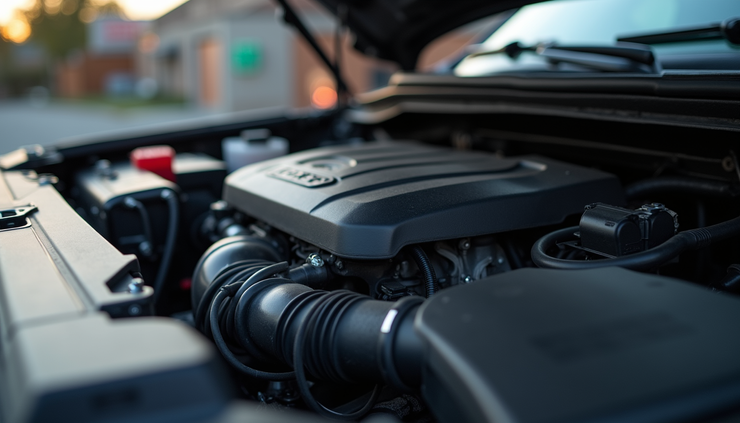
Changes in Engine Design and Materials
Older engines were built with simplicity and durability in mind. They often used heavier, thicker materials and fewer electronic components. For example, the 1990s Ford F150 engines featured robust cast iron blocks and heads designed to withstand high mileage and rough use. These engines were easier to repair and rebuild, which extended their lifespan.
Modern engines, including those in Chrysler and Chevy Silverado trucks, rely heavily on lightweight materials like aluminum to improve fuel efficiency and reduce emissions. While this helps meet environmental regulations, it also means engines are more sensitive to wear and tear. Aluminum blocks can be more prone to cracking or warping under extreme conditions compared to cast iron.
Additionally, modern engines use tighter tolerances and more complex parts to meet performance and emissions standards. This precision leaves less room for error or wear, making engines more vulnerable to damage if maintenance slips.
The Impact of Emissions and Fuel Efficiency Standards
Stricter emissions regulations have forced manufacturers to change how engines operate. Technologies like turbocharging, direct fuel injection, and variable valve timing are common in modern Chrysler, Chevy, and Ford engines. These features improve power and fuel economy but add complexity and stress to engine components.
For example, direct injection systems spray fuel directly into the combustion chamber, which can cause carbon buildup on intake valves. This buildup reduces engine efficiency and can lead to costly repairs if not addressed. Older engines without direct injection did not face this issue as severely.
Turbochargers increase engine power by forcing more air into the cylinders, but they also raise operating temperatures and pressures. This extra stress can shorten the life of engine parts like pistons, bearings, and gaskets.
Manufacturing and Business Priorities
Automakers today face intense pressure to reduce costs and speed up production. This often means using parts that balance durability with affordability rather than focusing solely on longevity. For example, some modern engines use plastic components for intake manifolds or valve covers instead of metal. While these parts save weight and cost, they may not last as long under harsh conditions.
Manufacturers also design engines with planned maintenance intervals and replacement parts in mind. This approach encourages regular servicing but can also mean engines are not built to last as long without intervention. In contrast, older engines were often overbuilt to last well beyond typical maintenance schedules.
Maintenance Challenges for Modern Engines
Modern engines require more precise and frequent maintenance to reach high mileage. For example, synthetic oils, specific oil change intervals, and fuel system cleaning are critical to prevent damage. Many drivers are unaware of these requirements or skip maintenance due to cost or convenience, which accelerates engine wear.
Older engines were more forgiving of maintenance lapses. Their simpler designs and robust parts could handle occasional neglect better than today’s finely tuned engines.
Real-World Examples
Chrysler Engines: Many owners report that modern Chrysler engines, such as the Pentastar V6, tend to develop issues like timing chain wear and oil consumption around 150,000 to 200,000 miles. Older Chrysler V8 engines from the 90s often lasted much longer with fewer problems.
Chevy Silverado: The 1990s Silverado trucks with V8 engines are famous for reaching 300,000 miles or more. Newer models with advanced fuel injection and turbocharged engines often face head gasket failures or injector problems closer to 200,000 miles.
Ford F150: The 90s F150 trucks with 5.0L V8 engines are known for their durability. Modern F150s with EcoBoost turbocharged engines offer better fuel economy but sometimes struggle with issues like carbon buildup and turbo failures before reaching the mileage of older models.

Why Automakers Are Not Building Engines to Last as Long
Automakers focus on meeting current market demands, including fuel economy, emissions, and affordability. Building engines to last 300,000 miles or more would increase costs and weight, reducing competitiveness. The industry also benefits from repeat sales of parts and vehicles, so there is less incentive to prioritize extreme longevity.
Consumers today often replace vehicles more frequently than in the past, reducing the demand for ultra-durable engines. The rise of electric vehicles also shifts focus away from traditional internal combustion engine longevity.
What Drivers Can Do to Extend Engine Life
Even though modern engines may not last as long by design, owners can take steps to maximize their lifespan:
Follow manufacturer-recommended maintenance schedules strictly.
Use high-quality synthetic oils and change them on time.
Regularly clean fuel injectors and intake valves to prevent carbon buildup.
Avoid aggressive driving that stresses the engine.
Address minor issues promptly before they cause major damage.
Looking Ahead: Will Engine Longevity Improve?
As electric vehicles become more common, the focus on internal combustion engine durability may decrease. However, some manufacturers are exploring new materials and designs to improve engine life without sacrificing efficiency. Hybrid systems also reduce engine load, potentially extending lifespan.
For now, drivers of Chrysler, Chevy Silverado, and Ford F150 trucks should adjust expectations and maintenance habits to get the most from their engines.



Comments