
4-Wheel Drive vs All-Wheel Drive Which System is Better for Your Vehicle
- Alan
- 1 day ago
- 3 min read
Choosing the right drivetrain system for your vehicle can be confusing. Two common options are 4-wheel drive (4WD) and all-wheel drive (AWD). Both systems send power to all four wheels, but they work differently and suit different driving needs. Understanding these differences helps you decide which system fits your lifestyle and driving conditions best.
What Is 4-Wheel Drive?
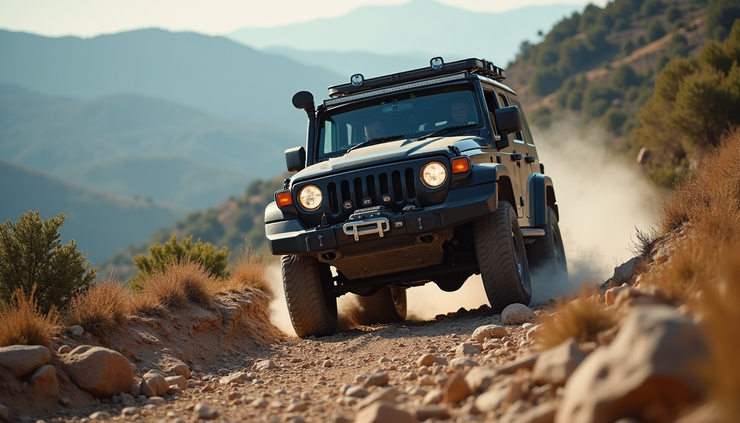
4-wheel drive is a drivetrain system that you can switch on or off. Most vehicles with 4WD operate in 2-wheel drive mode during normal driving, usually powering the rear wheels. When extra traction is needed, such as on slippery or rough terrain, the driver manually shifts the vehicle into 4WD mode. This sends power to all four wheels, improving grip and control.
How 4WD Works
Selectable system: You choose when to engage 4WD.
Part-time 4WD: Most common type, used only when needed.
Low and high ranges: Some 4WD systems offer low gear settings for tough off-road conditions.
Mechanical locking: Often includes locking differentials to evenly distribute power.
4WD is popular in trucks and off-road vehicles because it provides strong traction on uneven surfaces like mud, snow, or rocks. However, driving in 4WD on dry pavement can cause drivetrain binding and damage.
What Is All-Wheel Drive?
All-wheel drive is a system that powers all four wheels all the time. Unlike 4WD, you cannot turn AWD off. The system automatically adjusts power distribution between the front and rear wheels based on traction needs. This makes AWD ideal for varying road conditions without driver input.
How AWD Works
Full-time system: Always active, no need to switch modes.
Automatic power distribution: Sensors detect wheel slip and adjust power.
No low range: AWD systems usually lack low gear settings.
Better on-road handling: AWD improves stability on wet or icy roads.
AWD is common in cars, crossovers, and some SUVs designed for on-road use. It offers convenience and safety in everyday driving, especially in rain or light snow.

Key Differences Between 4WD and AWD
Feature | 4-Wheel Drive (4WD) | All-Wheel Drive (AWD) |
Engagement | Manually switched on/off | Always on, automatic |
Best for | Off-road, rough terrain | On-road, variable weather |
Power distribution | Equal power to all wheels when on | Variable power based on traction |
Low gear option | Often available | Usually not available |
Drivetrain stress | Can cause damage if used on dry roads | Designed for all road conditions |
Fuel efficiency | Lower when 4WD engaged | Generally better than 4WD |
Complexity | Simpler mechanical system | More complex with sensors and controls |
Which System Is Better for Your Vehicle?
Choosing between 4WD and AWD depends on your driving habits, environment, and vehicle type.
When 4WD Is Better
You frequently drive off-road or on rough terrain.
You need maximum traction in mud, deep snow, or rocky trails.
You want control over when to engage 4WD.
Your vehicle is a truck or SUV designed for heavy-duty use.
You don’t mind manually switching modes and occasional drivetrain maintenance.
When AWD Is Better
You mostly drive on paved roads with occasional rain or snow.
You want a system that works automatically without driver input.
You prefer better handling and stability in changing weather.
Your vehicle is a car, crossover, or SUV focused on comfort and safety.
You want a drivetrain that requires less maintenance and is fuel-efficient.
Practical Examples
Off-road enthusiast: A Jeep Wrangler with part-time 4WD lets you switch to 4WD when climbing rocks or driving through mud. You can switch back to 2WD on highways for better fuel economy.
Daily commuter: A Subaru Outback with AWD automatically adjusts power to prevent slipping on wet or icy roads, providing peace of mind without any driver action.
Mixed use: A Toyota Tacoma with 4WD offers the best of both worlds for someone who drives to work daily but also enjoys weekend off-road adventures.
Maintenance and Cost Considerations
4WD systems often require more maintenance because of their mechanical parts like transfer cases and locking differentials. Using 4WD improperly on dry pavement can cause wear and damage.
AWD systems rely on sensors and electronics, which can be costly to repair if they fail. However, AWD vehicles usually need less frequent drivetrain maintenance.
Fuel economy tends to be better in AWD vehicles because they avoid the extra drag of 4WD components when not needed.
Summary
Both 4-wheel drive and all-wheel drive have clear strengths. 4WD offers superior traction and control for serious off-road conditions but requires manual engagement and careful use. AWD provides seamless traction and improved safety on everyday roads with changing weather, working automatically without driver input.
Choosing the better system depends on your driving environment and preferences. If you need rugged off-road capability, 4WD is the way to go. For all-weather road driving with convenience, AWD is usually the better choice.
Think about where and how you drive most often. That will guide you to the drivetrain system that fits your vehicle and lifestyle best.


Comments