
The Best Transmissions: A Comparative Analysis of Top Brands and Manufacturers
- Alan
- 1 day ago
- 5 min read
Choosing the right transmission can make a huge difference in your vehicle’s performance, reliability, and driving experience. Whether you’re considering a Toyota, Honda, Ford, Chevy, Chrysler, Subaru, or Mazda, or looking into transmissions made by specialized companies like ZF or Aisin, understanding which transmission stands out for durability and smooth operation is key. This post breaks down the strengths and weaknesses of transmissions from major automakers and transmission manufacturers, helping you make an informed decision.
Understanding Transmissions and Their Importance
A transmission transfers power from the engine to the wheels, controlling speed and torque. It plays a critical role in fuel efficiency, acceleration, and overall vehicle longevity. There are several types of transmissions: manual, automatic, continuously variable (CVT), and dual-clutch (DCT). Each type has its pros and cons, and manufacturers often specialize in certain types.
Reliability is a major concern for drivers. A transmission failure can be costly and inconvenient. Therefore, knowing which brands and manufacturers produce the most reliable transmissions helps buyers avoid future headaches.
Transmissions from Major Automakers
Toyota
Toyota is known for building reliable vehicles, and their transmissions generally follow suit. Toyota uses a mix of traditional automatic transmissions, CVTs, and manual gearboxes. Their CVTs, especially in models like the Corolla and RAV4, have improved over the years, offering smooth acceleration and good fuel economy.
Toyota’s automatic transmissions are praised for their durability, often lasting well beyond 200,000 miles with proper maintenance. The company also uses transmissions developed in partnership with Aisin, a respected transmission manufacturer.
Honda
Honda’s transmissions are often highlighted for their smooth shifting and reliability. Honda uses CVTs extensively in models like the Civic and CR-V, and their manual transmissions in sportier models like the Civic Si and Type R are well-regarded for precision and durability.
Honda’s CVTs have had some early issues in older models, but recent generations have addressed many concerns. Overall, Honda transmissions maintain a strong reputation for longevity and performance.
Ford
Ford offers a wide range of transmissions, including traditional automatics, dual-clutch transmissions (DCTs), and CVTs in some models. Their 10-speed automatic transmission, used in trucks and SUVs, is praised for smooth shifts and fuel efficiency.
However, Ford’s dual-clutch transmissions, such as those in the Focus and Fiesta, have faced reliability issues, including rough shifting and premature wear. Ford has since improved these designs, but some older models still carry a risk of transmission problems.
Chevy (Chevrolet)
Chevrolet uses a variety of transmissions, including automatics and manual gearboxes. Their 8-speed automatic transmissions in trucks and SUVs are known for smooth operation and durability.
Chevy’s transmissions generally perform well, but some models with older automatic transmissions have experienced issues like slipping or harsh shifts. Regular maintenance helps mitigate these problems.
Chrysler
Chrysler’s transmissions, particularly the automatic ones used in Dodge and Jeep vehicles, have a mixed reputation. Some models, like the Dodge Charger and Jeep Grand Cherokee, use transmissions from ZF, a leading transmission manufacturer, which are highly regarded.
However, Chrysler’s older transmissions, especially the 62TE automatic, have been known for reliability problems. Newer models with ZF transmissions show significant improvements in smoothness and durability.
Subaru
Subaru is famous for its symmetrical all-wheel-drive system, paired with either CVTs or manual transmissions. Their CVTs, branded as Lineartronic, offer smooth power delivery and good fuel economy.
Subaru’s CVTs have improved over time, but some owners report issues with belt wear and transmission overheating in older models. Manual transmissions in Subaru WRX and STI models are praised for their sporty feel and reliability.
Mazda
Mazda uses a mix of automatic, manual, and SkyActiv-Drive transmissions, which combine the benefits of traditional automatics and CVTs. Mazda’s transmissions are known for their sporty feel and smooth shifting.
The SkyActiv-Drive automatic transmission offers quick shifts and good fuel efficiency. Mazda’s manual transmissions, found in models like the MX-5 Miata, are highly regarded for precision and durability.
Transmission Manufacturers: ZF, Aisin, and Others
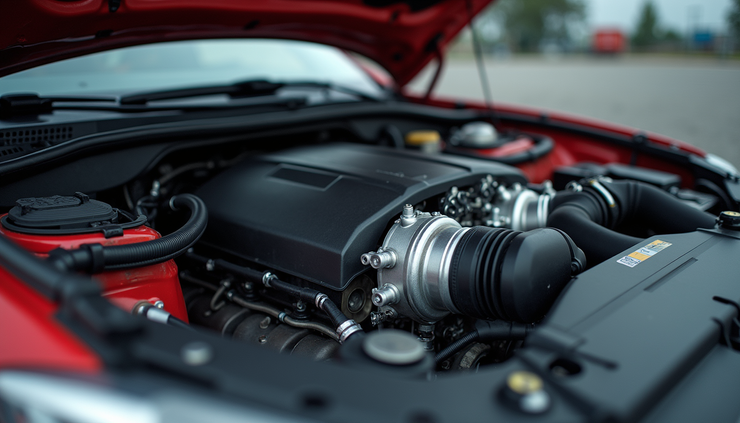
Many automakers source transmissions from specialized manufacturers known for their expertise.
ZF Friedrichshafen
ZF is a German company that produces transmissions for many global automakers, including Chrysler, BMW, and Ford. ZF transmissions are known for advanced engineering, smooth shifting, and durability.
The ZF 8-speed automatic transmission is widely praised for its efficiency and reliability. It is used in luxury and performance vehicles, as well as trucks and SUVs. ZF’s transmissions often outperform in terms of refinement and longevity.
Aisin Seiki
Aisin, a Japanese company, supplies transmissions to Toyota, Subaru, and other automakers. Aisin transmissions are highly regarded for their reliability and smooth operation.
Many Toyota automatics and CVTs are built by Aisin. Their reputation for quality is strong, with many vehicles running over 300,000 miles on original transmissions.
Other Notable Manufacturers
Jatco: Supplies CVTs mainly to Nissan and Mitsubishi. Known for smooth CVTs but some models have had reliability issues.
Getrag: Known for manual and dual-clutch transmissions, used by BMW and Ford.
GM’s Hydra-Matic: General Motors’ in-house transmission brand, used in many Chevy vehicles.
Reliability Comparison and What It Means for Drivers
When it comes to reliability, transmissions from Toyota and Honda, often built or designed with Aisin components, tend to lead the pack. Their transmissions are known for lasting hundreds of thousands of miles with minimal issues.
ZF transmissions, used by Chrysler and some Ford models, offer excellent performance and durability but can be more expensive to repair if problems arise.
Ford’s dual-clutch transmissions have improved but still lag behind traditional automatics in reliability. Chevy’s automatics are solid but require regular maintenance to avoid common issues.
Subaru’s CVTs have improved but may require more attention in older models. Mazda’s SkyActiv transmissions strike a good balance between performance and reliability.
Key Takeaways for Buyers
Toyota and Honda transmissions offer the best long-term reliability, especially those with Aisin components.
ZF transmissions provide smooth shifting and durability but can be costly to repair.
Ford’s dual-clutch transmissions have improved but still carry some risk.
Chevy and Chrysler transmissions vary widely; newer models with ZF units perform better.
Subaru CVTs are good but watch for maintenance needs.
Mazda’s SkyActiv transmissions offer sporty performance with solid reliability.
Final Thoughts on Choosing the Best Transmission
Selecting the best transmission depends on your priorities: reliability, driving feel, maintenance costs, and vehicle type. For those prioritizing long-term reliability, Toyota and Honda transmissions, often built with Aisin parts, are the safest bets. If you want smooth, advanced transmissions and don’t mind potential repair costs, ZF transmissions in Chrysler and luxury vehicles offer excellent performance.
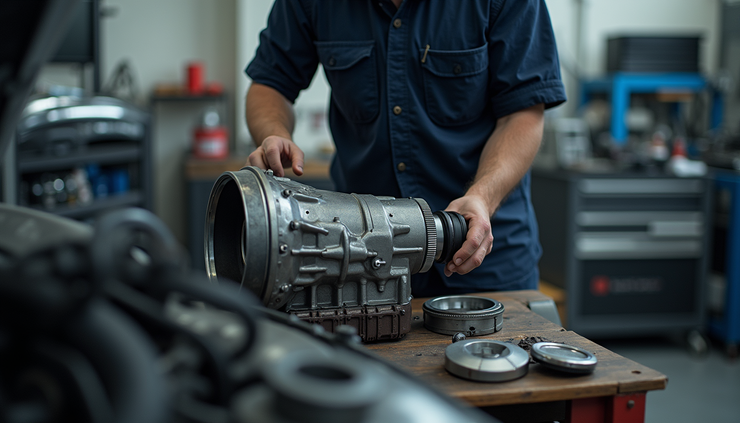
Understanding the source of the transmission—whether from the automaker or a specialist manufacturer—helps you anticipate reliability and maintenance needs. Regular maintenance, including fluid changes and inspections, is essential to keep any transmission running smoothly.
Before buying, research the specific transmission model in your vehicle, check owner reviews, and consider professional inspections. This approach ensures you get a transmission that matches your driving style and reliability expectations.
Choosing the right transmission means better performance, fewer repairs, and a more enjoyable driving experience for years to come.


Comments