
Legacy of Controversy: Tracing the Roots of Automotive and Aircraft Giants Linked to Nazi Germany
- Alan
- 1 minute ago
- 4 min read
The automotive and aircraft industries have long been symbols of innovation and engineering excellence. Yet, some of the most renowned companies in these fields have origins tied to one of history’s darkest chapters: Nazi Germany. This post explores how companies like Porsche, Volkswagen, Maybach, Mercedes-Benz, and Junkers contributed to the Nazi war effort and how their legacies continue to influence their modern identities.
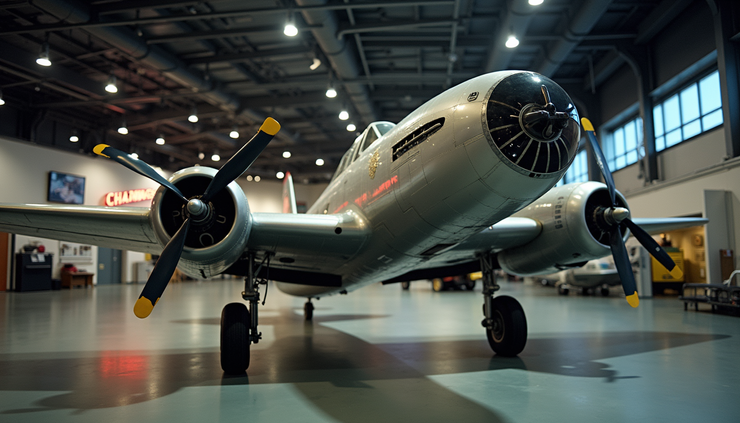
The Role of Junkers in Nazi Aircraft Production
Junkers was a major German aircraft manufacturer before and during World War II. The company is best known for producing the Ju 87 Stuka dive bomber, a plane infamous for its precision bombing and psychological warfare tactics. The Stuka’s distinctive gull wings and siren made it a terrifying presence in the skies.
Junkers’ aircraft were central to the Luftwaffe’s early successes. The company’s engineering prowess helped Germany dominate air battles in the early years of the war. However, this success came at a cost. Junkers was deeply embedded in the Nazi war machine, producing planes that facilitated aggressive military campaigns and widespread destruction.
After the war, Junkers ceased to exist as an independent company. Its facilities were dismantled or repurposed, but its legacy remains controversial. The company’s role in supporting Nazi military ambitions is a reminder of how technology can be harnessed for destructive purposes.
Porsche’s Military Contributions Beyond Sports Cars
Today, Porsche is synonymous with luxury sports cars and racing success. Yet, during the Nazi era, Porsche’s founder Ferdinand Porsche and his company played a significant role in military vehicle production. Porsche designed tanks and weapons that were used by the German army.
One of Porsche’s notable contributions was the development of tank prototypes, including designs that competed with the famous Tiger tank. Although not all Porsche designs were adopted, the company’s involvement in armored vehicle production was substantial. Porsche also worked on the development of the Volkswagen Beetle, originally conceived as a “people’s car” under Nazi directives.
This dual legacy complicates Porsche’s image. While the brand today represents speed and style, its origins include engineering for warfare and authoritarian regimes.
Volkswagen’s Armored Personnel Carriers and Origins
Volkswagen is one of the world’s largest car manufacturers, known for the Beetle and a wide range of vehicles. The company was founded in 1937 under the Nazi regime with the goal of producing affordable cars for the German population. However, Volkswagen’s factories quickly shifted to military production during the war.
Volkswagen produced armored personnel carriers and other military vehicles to support the German army. The company’s workforce included forced laborers, a dark chapter that has been acknowledged and addressed in recent decades. After the war, Volkswagen rebuilt its reputation and became a symbol of Germany’s economic recovery.
The company’s Nazi-era history remains a subject of study and reflection, highlighting the complex relationship between industry and politics.

Maybach’s Engines Powering Nazi Tanks
Maybach, now known for luxury cars, was originally an engine manufacturer that played a crucial role in Nazi Germany’s armored warfare. The company produced powerful engines used in tanks such as the Panther and Tiger models.
These engines were engineering marvels of their time, providing the mobility and speed that made German tanks formidable on the battlefield. Maybach’s expertise in engine design was instrumental in the mechanization of the Nazi military.
After the war, Maybach’s association with Nazi military production complicated its brand image. The company eventually shifted focus to luxury automobiles, but its wartime contributions remain a significant part of its history.
Mercedes-Benz and Its Multifaceted Role in the Nazi War Effort
Mercedes-Benz is one of the most recognizable automotive brands worldwide. During the Nazi era, the company produced a range of vehicles for the military, including staff cars, trucks, and tanks. Mercedes-Benz vehicles were used by high-ranking Nazi officials and the Wehrmacht.
The company’s factories also employed forced laborers, a fact that has been acknowledged in historical research and corporate apologies. Mercedes-Benz’s engineering capabilities were leveraged to support the Nazi war machine, producing reliable and advanced vehicles for combat and transport.
Post-war, Mercedes-Benz rebuilt its reputation as a maker of luxury and performance cars. The company has since engaged in efforts to confront and educate about its past.

Reflecting on the Past and Moving Forward
The histories of Junkers, Porsche, Volkswagen, Maybach, and Mercedes-Benz illustrate how deeply intertwined some of today’s automotive and aircraft giants are with Nazi Germany’s military ambitions. These companies contributed technology, engineering, and production capacity that fueled a regime responsible for immense suffering.
Understanding this legacy is important for several reasons:
It provides context for how industries can be co-opted by political powers.
It highlights the ethical responsibilities of corporations in times of conflict.
It encourages transparency and accountability in corporate histories.
Many of these companies have taken steps to acknowledge their pasts, support historical research, and promote education about the consequences of war and authoritarianism.
The legacy of controversy surrounding these manufacturers serves as a reminder that innovation and progress must be guided by ethical considerations. As consumers and observers, recognizing the full history behind these brands helps us appreciate the complexities of their stories and the importance of vigilance in preserving human rights and dignity.
This exploration of automotive and aircraft companies linked to Nazi Germany reveals a challenging but necessary part of industrial history. The next time you see a Porsche sports car or a Volkswagen vehicle, consider the layers of history behind the badge—both the achievements and the shadows.


Comments